
Utility Infrastructure: A Comprehensive Guide
Utility infrastructure is the backbone of modern society, providing essential services like water, electricity, natural gas, and telecommunications. This comprehensive guide explores the critical aspects of Utility Infrastructure in Washington DC, its significance, challenges, and the technologies shaping its future.
Understanding Utility Infrastructure
- DefinitionUtility infrastructure refers to the physical and organizational structures, networks, and systems responsible for delivering vital services to residential, commercial, and industrial areas.
- Types of Utility Infrastructure
- Water Infrastructure: Includes treatment plants, distribution networks, and sewage systems to ensure the supply of clean water and wastewater management.
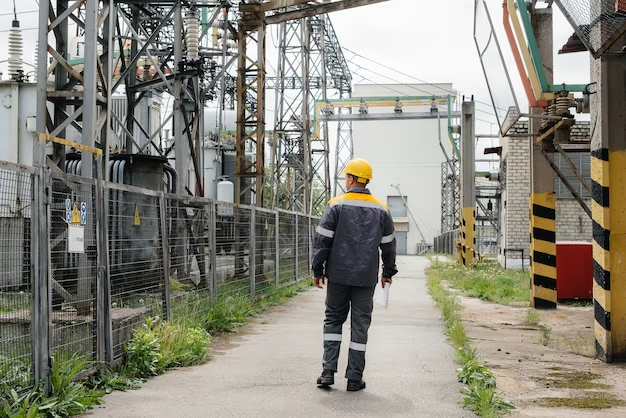
- Electricity Infrastructure: Comprises power generation facilities, transmission lines, substations, and distribution grids for electrical energy distribution.
- Natural Gas Infrastructure: Involves pipelines, storage facilities, and distribution systems for supplying natural gas for heating and electricity generation.
- Telecommunications Infrastructure: Encompasses phone lines, fiber optics, cell towers, and data centers, facilitating communication and internet access.
The Significance of Utility Infrastructure
- Quality of Life: Reliable utility infrastructure enhances the quality of life by providing access to clean water, electricity, and efficient communication services.
- Economic Development: A robust utility infrastructure supports economic growth by attracting businesses and fostering innovation.
- Environmental Impact: Sustainable utility infrastructure practices reduce environmental impact through energy efficiency, resource conservation, and responsible waste management.
- Public Safety: Utility infrastructure plays a crucial role in disaster response and recovery, ensuring that essential services remain available during emergencies.
Challenges in Utility Infrastructure
- Aging Infrastructure: Many utility systems worldwide are aging and in need of repair or replacement, posing reliability and safety concerns.
- Population Growth: Rapid urbanization and population growth strain existing utility systems, demanding expansion and modernization.
- Climate Change: Increasingly frequent and severe weather events pose challenges to infrastructure resilience and adaptation.
- Technological Advancements: While technology enhances efficiency, it requires continuous adaptation, making it a double-edged sword for utility providers.
Future Trends and Technologies
- Smart Grids: Advanced grid systems that use sensors and data analytics to enhance electricity distribution efficiency, reduce outages, and integrate renewable energy sources.
- Digital Twins: Digital replicas of utility infrastructure that provide real-time monitoring, predictive maintenance, and improved decision-making.
- Renewable Energy Integration: Increasing use of renewable energy sources like solar and wind, necessitating grid updates and energy storage solutions.
- IoT and Automation: Internet of Things (IoT) devices and automation for efficient water management, waste reduction, and grid optimization.
- Water Recycling: Advanced wastewater treatment and water recycling technologies for sustainable water use.
- 5G Networks: The rollout of 5G networks for faster and more reliable telecommunications services.
Tips for Utility Infrastructure Management
- Regular Maintenance: Prioritize regular maintenance and inspection to extend the lifespan of infrastructure components.
- Sustainability: Invest in green and sustainable infrastructure practices, reducing environmental impact.
- Disaster Preparedness: Develop disaster preparedness plans to ensure service continuity during emergencies.
- Technological Adoption: Embrace emerging technologies to enhance efficiency, reduce costs, and improve service quality.
- Public Engagement: Involve the community in infrastructure planning and decision-making to address their needs and concerns.
Utility infrastructure is the cornerstone of modern life, and its effective management and development are paramount. As the world faces evolving challenges and embraces new technologies, understanding and adapting to the changing landscape of utility infrastructure is essential for building a sustainable and prosperous future.